Research Reports
Report Details
 Final Report
Abstract
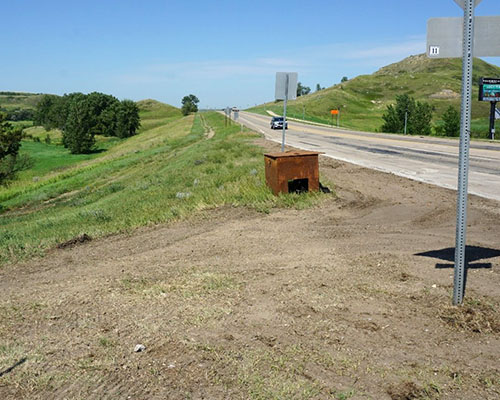 A community is considered walkable when its transportation network enables pedestrians and other vulnerable road users to travel safely, comfortably, and efficiently to and from key destinations, including residential areas, workplaces, schools, healthcare facilities, commercial centers, parks, and community amenities, while complying with applicable traffic regulations. A walkable environment accommodates users of all ages and abilities, including individuals with mobility limitations, through accessible, connected, and well-maintained pedestrian infrastructure.
This report documents the walkability assessment conducted in New Town, North Dakota, in 2026 by the Upper Great Plains Transportation Institute (UGPTI). The primary objectives of the assessment are to evaluate existing pedestrian infrastructure and operational conditions, identify safety concerns and accessibility barriers, engage local stakeholders in the assessment process, and develop recommendations that support evidence-based improvements to pedestrian safety, accessibility, and overall community walkability.