September 17, 2026
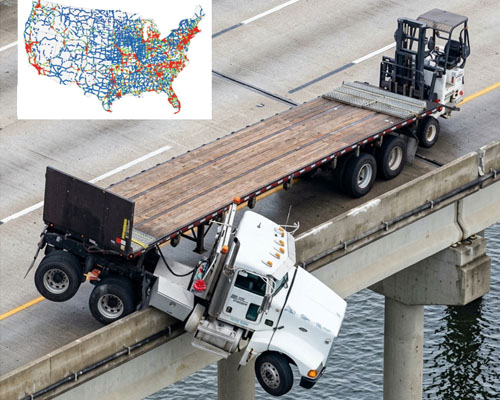
This study develops the Mobility Priority Index (MPI), a relative composite screening measure that integrates pavement roughness, bridge deck condition, current traffic exposure, and projected traffic growth.
September 16, 2026
Kids on farms and ranches often learn to operate equipment at a young age, but injury statistics show that off-highway vehicles (OHVs), such as four-wheelers and side-by-sides, are among the most dangerous.
September 8, 2026
This quarter’s newsletter starts broad and then narrows. It begins with some statistics from the North Dakota Impaired Driving Task Force’s recently completed Impaired Driving Strategic Plan FFY2026–20281, identifying strategies and goals, and then it narrows into approaches and action steps. Our approach to criminal justice and, in particular, impaired driving, should not be a one-size-fits-all situation.
September 2, 2026
This issue includes an announcement on the upcoming regional workshop on the United Tribes Technical College campus (tied to the International Powwow) with transportation and transit training tracks, lists a calendar of fall 2026 events and courses across the region, and introduces free self-paced “LearnTracks” online learning paths for tribal agencies. It also includes practical advice from SDTTAP Program Manager Greg Vavra on budgeting, treating road departments like businesses, and using life-cycle cost analysis.
 September 17, 2026This study develops the Mobility Priority Index (MPI), a relative composite screening measure that integrates pavement roughness, bridge deck condition, current traffic exposure, and projected traffic growth.
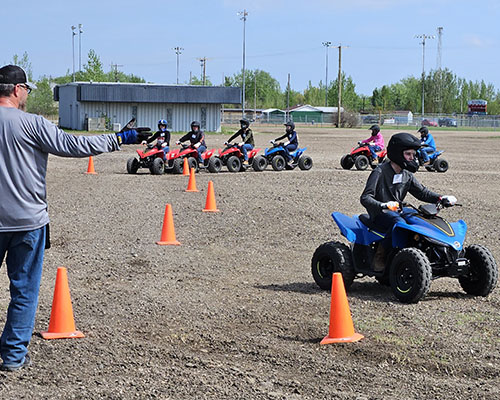 September 16, 2026Kids on farms and ranches often learn to operate equipment at a young age, but injury statistics show that off-highway vehicles (OHVs), such as four-wheelers and side-by-sides, are among the most dangerous.
 September 8, 2026This quarter’s newsletter starts broad and then narrows. It begins with some statistics from the North Dakota Impaired Driving Task Force’s recently completed Impaired Driving Strategic Plan FFY2026–20281, identifying strategies and goals, and then it narrows into approaches and action steps. Our approach to criminal justice and, in particular, impaired driving, should not be a one-size-fits-all situation.
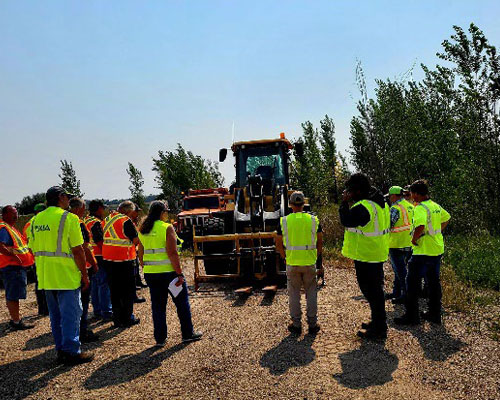 September 2, 2026This issue includes an announcement on the upcoming regional workshop on the United Tribes Technical College campus (tied to the International Powwow) with transportation and transit training tracks, lists a calendar of fall 2026 events and courses across the region, and introduces free self-paced “LearnTracks” online learning paths for tribal agencies. It also includes practical advice from SDTTAP Program Manager Greg Vavra on budgeting, treating road departments like businesses, and using life-cycle cost analysis.